I Like Cats and Coffee and Maybe 3
When I first opened the files for I Like Cats and Coffee and Maybe 3, my initial reaction wasn't about the cute cat illustration or the playful typography. As a designer who has stitched thousands of designs, my eyes immediately went to the layout. It screams "Retro Boho," but in a way that feels grounded enough for actual production. The phrase is witty, relatable, and hits that sweet spot between humor and lifestyle branding that sells so well on platforms like Etsy. However, turning a digital vector into a tangible piece of fabric requires more than just a good idea; it demands practical judgment.
This review isn't about marketing fluff. It is a deep dive into how this specific design performs when you take it from your screen to the hoop. Whether you are a small business owner looking to expand your catalog or a crafter making a personalized gift for a friend, understanding the nuances of I Like Cats and Coffee and Maybe 3 is crucial before you press start on your machine.
The First Stitch: Visual Personality and Mood
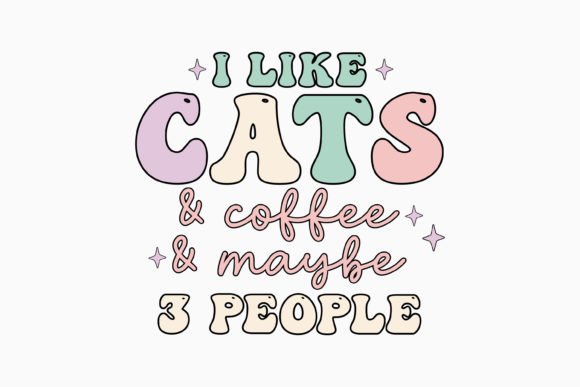
The design captures a distinct retro vibe without feeling dated. The typography likely features that hand-drawn, slightly imperfect feel that characterizes boho aesthetics, paired with a charming feline companion. In a digital mockup, it looks crisp and clean. But in the world of machine embroidery, mood translates to stitch density and line weight. The layout suggests a balanced composition that works well as a chest logo on apparel or a central statement on a tote bag.
For a craft business, this design offers immediate recognition. It taps into the massive "Cat Mom" niche while adding a layer of humor with the "Maybe 3" twist. This kind of personality-driven text increases customer engagement because it tells a story. It isn't just a picture of a cat; it's a declaration of lifestyle. When applied to a product, it creates an emotional connection with the buyer, which is often the deciding factor in whether they click "Add to Cart."
Real-World Application: From Screen to Stitch
Let's imagine a real scenario. You are preparing inventory for a local holiday market. You decide to create a line of embroidered kitchen towels and aprons featuring I Like Cats and Coffee and Maybe 3. The goal is to create a cohesive brand look that appeals to home bakers and coffee enthusiasts. The design fits perfectly here. The retro style pairs beautifully with vintage-style fabrics, and the text is long enough to anchor the design without overwhelming the canvas of a tea towel.
In this context, the versatility of the file is a major asset. Since the product description notes that the colors are changeable, you can easily adapt the thread palette to match different fabric backgrounds. Imagine stitching this in warm earth tones on a beige linen towel versus high-contrast black and white on a denim apron. The ability to manipulate the color scheme allows you to maintain brand consistency across different product lines while keeping each item unique.
However, not every project is a winner. While this design shines on flat surfaces like tote bags, sweatshirts, and pillow covers, you need to be strategic about where you place it. For instance, if you attempt to embroider this on a structured cap, the curvature of the brim might distort the text, especially the longer phrases. The design works best on stable, medium-weight fabrics where the stabilizer can hold the shape effectively.
Technical Considerations for the Embroidery Designer
As a reviewer, I have to address the technical side of things. The product details mention that source files (EPS or SVG) are included. This is excellent news for designers who need to resize or adjust elements. However, having the source file does not guarantee perfect results out of the box. Before running a full production batch, you must treat I Like Cats and Coffee and Maybe 3 as a raw material that needs preparation.
- Stitch Density: Check the fill stitches closely. If the design includes detailed areas around the cat's face or intricate lettering, ensure the stitch density isn't too high. Too much density on thin cotton or synthetic blends can cause puckering, ruining the professional look of the finished product.
- Hoop Size and Stabilization: Determine the optimal hoop size early. A design that looks fine on a 4x4 hoop might require a larger frame to accommodate the full width of the text without cutting off letters. Always use the correct stabilizer—cut-away for stretchy fabrics like t-shirts and tear-away for stable fabrics like canvas toppers.
- Thread Contrast: Test the thread colors against your fabric. A retro boho design often relies on muted or pastel tones. If these threads are too light against a dark background, the design will disappear. Conversely, bright neon threads might clash with the intended vintage aesthetic.
There are also specific scenarios where caution is advised. Avoid using this design on very small items like baby onesies unless you scale it down significantly, as tiny lettering can become illegible after stitching. Similarly, textured fabrics like heavy fleece or boucle can hide the detail of the embroidery, making the design look muddy rather than crisp.
Impact on Product Value and Brand Perception
Quality matters. When a customer receives a handmade product, their perception of your brand is tied directly to the quality of the embroidery. A sloppy execution of I Like Cats and Coffee and Maybe 3 can make even the best concept look amateurish. On the other hand, a clean, well-stitched version elevates the perceived value of the item.
This design is particularly effective for commercial embroidery projects aimed at small shops. It has broad appeal, making it a safe bet for general merchandise, yet specific enough to attract a dedicated niche audience. When used correctly, it signals that you understand current trends and can deliver professional-grade goods. This builds trust with buyers who are looking for reliable, high-quality handmade gifts.
For digital product sellers, the flexibility of the file allows for creating printable mockups that look realistic. You can showcase the design on various garments, helping potential buyers visualize the final result. This visual clarity reduces returns and increases sales confidence.
Final Thoughts on Practicality and Performance
I Like Cats and Coffee and Maybe 3 is more than just a cute graphic; it is a versatile tool for any designer or maker looking to create engaging textile art. Its retro boho charm makes it suitable for a wide range of applications, from custom apparel to holiday gifts. However, success lies in the details. By testing on scrap fabric, adjusting thread choices, and respecting the limitations of the fabric texture, you can turn this digital asset into a stunning finished product.
If you are an Etsy seller or a hobbyist looking to add a touch of personality to your creations, this design is worth the investment. Just remember to verify the specific stitch counts and licensing terms before selling finished items commercially. With careful planning and execution, I Like Cats and Coffee and Maybe 3 can become a staple in your collection of design assets, helping you create memorable pieces that customers will love to wear and display.