It's Beautiful Day to Learn: A Designer's Embroidery Review
When I first opened the files for It s Beautiful Day to Learn, I immediately thought about the chaotic energy of a classroom and the quiet satisfaction of a well-organized workspace. As an experienced designer who has spent years turning digital graphics into tangible, stitched masterpieces, my first instinct is always to look past the pretty preview image and ask: how will this actually hold up on fabric? This isn't just another retro teacher quote SVG; it is a potential centerpiece for a handmade product line or a deeply personal gift that needs to survive the rigors of daily wear.
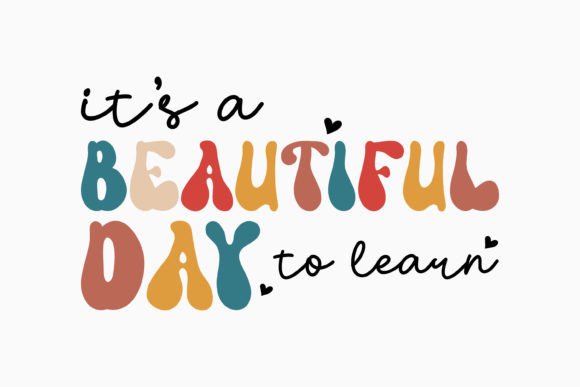
The design carries a distinct nostalgic vibe. The typography suggests a vintage aesthetic that resonates with educators, parents, and anyone who appreciates the craft of learning. In the world of Crafts and Graphics, where trends shift rapidly, a design that feels timeless yet trendy is gold. My initial assessment of It s Beautiful Day to Learn is positive because it balances visual personality with structural integrity. It does not feel like a generic clip-art job; it feels like a brand asset waiting to be born.
From Screen to Stitch: The Real-World Test
Let's imagine a real scenario. I am preparing for a local craft fair next month, and I want to create a custom embroidered tote bag specifically for teachers. I need something that conveys warmth and professionalism without looking too corporate. I pull up the It s Beautiful Day to Learn design file. The layout is clean, but the devil is in the details when we move from a screen to a sewing machine.
First, I consider the stitch density. For a project like a tote bag, which sees heavy use, the design needs to be robust. If the fill stitches are too dense, the fabric might pucker, ruining the drape of the canvas. If they are too sparse, the text won't read clearly after washing. The description mentions that the file is 100% color changeable, which is a massive advantage here. It means I can test different thread palettes instantly. I decide to try a classic cream background with navy blue lettering, then switch to a soft sage green background with burnt orange text. The ability to easily change colors allows me to match the exact mood of the final product before I even cut a piece of fabric.
I also think about the application on other items. This design would look fantastic on a sweatshirt embroidery project for a school staff room, or perhaps as a personalized gift on a baby onesie for a future educator. The retro style fits perfectly with the current market demand for "teacher life" merchandise. However, I have to be careful. When I look at the smaller details in the vector file, I wonder how they will translate to a small hoop size. If I try to put this on a cap or a tiny apron tag, the fine lines might get lost in the stitching process.
Navigating Fabric Challenges and Limitations
Not every surface is created equal, and It s Beautiful Day to Learn requires specific considerations depending on what you are stitching. If you are working with textured fabrics like a chunky knit sweater or a rough burlap sack, the design might struggle to lay flat. The satin stitch areas could lose their definition against a high-pile texture. Similarly, stretchy fabrics present a challenge. Without proper stabilizer, the tension required to stitch the curves of the letters could distort the garment, making the shirt look wavy and unprofessional.
I also need to address the issue of dark fabrics. While the source file includes EPS and SVG formats, allowing for easy manipulation, the visual impact relies heavily on contrast. On a black t-shirt, unless I use a bright, metallic thread, the retro white or light colors might disappear into the darkness. This is where the "100 Color Changeable" feature becomes critical. I would advise testing the design on scrap fabric first to ensure the thread colors pop against the specific material you are using. For a boutique product, the finish must be flawless; a muddy color combination can ruin the perceived value of the item.
There are also limitations regarding curved surfaces like caps. While many modern machines handle curved embroidery well, the curvature of a baseball cap can cause the top of the design to stretch or the bottom to bunch up. It s Beautiful Day to Learn has a linear flow, so placing it on a highly curved brim might require significant digitizing adjustments that go beyond simple color changes. For a commercial embroidery project, accuracy is key. If the text reads slightly off-center due to the curve, customers will notice, and trust in your brand will erode.
Visual Appeal and Brand Consistency
For Etsy sellers and small shop owners, the visual appeal of a finished product is often the difference between a browse and a buy. It s Beautiful Day to Learn offers a strong foundation for building a cohesive brand identity. The retro theme allows for a consistent aesthetic across various product categories, from kitchen towels to nursery decor. When a customer sees a matching set—a tote bag, a mug, and a pillow cover all featuring the same design language—they perceive higher value and professionalism.
The design also speaks to the emotional side of gifting. A personalized gift embroidered with this quote implies care and effort. It transforms a standard commodity into a keepsake. The clarity of the lettering ensures that the message is received loud and clear, whether it is on a holiday gift or a wedding favor. However, if the stitch density is not optimized, the design could look cheap rather than charming. This is why reviewing the stitch density and inspecting small details before mass production is non-negotiable.
When creating printable mockups for your online listings, the versatility of the SVG and EPS files shines. You can place the design on hundreds of different backgrounds to show potential buyers how it looks in various contexts. But remember, a mockup is only as good as the reality it represents. If the actual embroidery looks fuzzy or the edges are jagged, the mockup loses its power. Ensuring that the finished product matches the digital preview builds buyer engagement and reduces returns.
Practical Notes for the Design Professional
Before you commit to a full production run, there are several steps you must take to ensure success. First, confirm the licensing terms. Even though the file includes source files, you must verify if you are allowed to sell finished items made from this design commercially. Some licenses restrict usage to personal projects only. Assuming you have the rights, check the file resolution. The description notes 300dpi, which is excellent for printing, but for embroidery, the vector quality (SVG/EPS) is what matters most for scalability.
Always test the design on scrap fabric that mimics your final material. Use the proper stabilizer for the weight of the fabric; a lightweight stabilizer for a thin tee will fail on a thick hoodie. Check the thread color contrast by converting the design to black and white in your software to see if the shapes remain distinct. Inspect the corners and curves for any potential gaps in the satin stitch. Finally, compare light and dark fabric backgrounds to ensure the design remains legible in both scenarios.
It s Beautiful Day to Learn is more than just a graphic; it is a tool for creators. Whether you are a hobbyist making a gift for a friend or a serious entrepreneur building a boutique brand, this design offers flexibility and charm. By respecting the technical limitations of embroidery and leveraging the customizable nature of the file, you can turn a simple digital download into a high-quality, cherished handmade product. Just remember: the best designs are those that respect the medium they are applied to.