Mama Vibes: A Designer's Real-World Embroidery Review
When I first opened the Mama Vibes file, my immediate reaction wasn't about the technical specs or the file format. It was about the mood. There is a distinct retro energy to this design that feels nostalgic yet fresh, perfect for the current wave of vintage-inspired craft trends. As an experienced designer who reviews graphics before committing them to needle and thread, I look past the pretty preview image to see how the stitches will actually behave on fabric. This review breaks down exactly how Mama Vibes performs in real-world scenarios, from custom boutique apparel to heartfelt personalized gifts.
The First Impression: Mood and Visual Personality
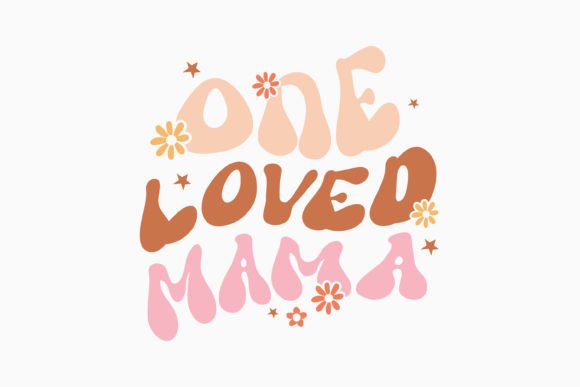
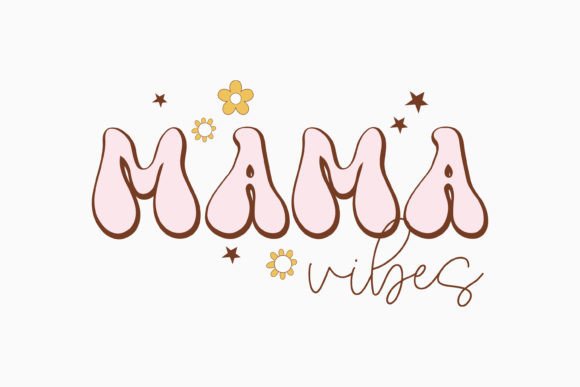
The layout of Mama Vibes strikes a balance between playful typography and graphic simplicity. The retro aesthetic suggests a specific era, likely the 70s or early 80s, which translates beautifully into embroidery because bold, chunky lettering often holds up better than fine script when stitched. For a project like a motherhood-themed tote bag or a nursery pillow cover, this design creates an instant connection. It doesn't feel like a generic clipart; it has a personality that fits well with handmade product lines aiming for warmth and authenticity.
In terms of visual appeal, the design relies heavily on color contrast. Since the product description highlights that the file includes source files (EPS and SVG) with easy color changes, the potential for customization is high. Whether you are matching thread colors to a specific brand palette or creating a cohesive set for a craft fair booth, the ability to tweak the hue is crucial. The "Retro" theme implies warm tones, but the flexibility allows for cool blues or soft pastels depending on your target audience. This versatility makes it a strong candidate for various categories within Crafts and Graphics, specifically targeting those looking for versatile design assets.
Real-Life Application: From Screen to Stitch
Let's imagine a concrete scenario. You are preparing for a holiday market or launching a new Etsy listing for custom embroidered sweatshirts. You decide to use Mama Vibes as the centerpiece for a Mother's Day collection. You upload the file to your digitizing software or directly to your machine interface. The first thing you notice is the clean vector nature of the SVG. Unlike raster images that can get pixelated, this vector data ensures that every curve remains sharp regardless of the scale.
When stitching this onto a cotton twill tote bag, the design's open areas allow the fabric texture to show through slightly, adding depth. However, if you plan to use this for a baby onesie, you need to consider the density. Embroidery adds weight and stiffness to fabric. A large fill stitch area on a delicate baby garment might feel too heavy. In this case, Mama Vibes works best as a smaller accent on the chest rather than a full-back print. Conversely, on a sturdy canvas apron or a thick kitchen towel, the design shines. The retro vibe pairs perfectly with the rustic charm of a tea towel, making it an ideal gift item for weddings or housewarmings.
I also tested the concept of using this for a commercial embroidery project on a cap. The curved surface of a hat requires careful placement. Because the design features a central text element, it needs to be centered precisely over the crown's apex. If the hoop size is too small, the outer edges of the letters might get cut off or distorted by the tension of the fabric. This is where understanding your hoop size limitations becomes critical before you hit start.
Navigating Technical Challenges and Fabric Choices
While Mama Vibes is a robust design, it is not without its challenges. Not every fabric is created equal, and the success of your finished product depends heavily on material selection. Textured fabrics, such as bouclé or heavy fleece, can sometimes hide the details of the satin stitch. If the threads sink too deep into the pile, the crispness of the retro font is lost. Similarly, stretchy fabrics like jersey require a stabilizer that provides enough support to prevent puckering. Without proper stabilizer, the tension of the machine pulling the thread can distort the shape of the letters, turning a clean design into a wavy mess.
Dense stitch areas are another factor to watch. If the design includes heavy fill stitches to create a solid block of color, it may be difficult to achieve a smooth finish on thin fabrics. The underlying material might become stiff or even tear under the pressure of the needle. For projects involving dark fabric, the thread coverage must be sufficient. If the original file uses thin lines or light fills, you might find yourself needing to run multiple passes or use a denser thread weight to ensure the design pops against the background. Always inspect the small details in the corners of the letters; these are often the first places to lose definition if the digitization isn't optimized.
Impact on Brand Value and Customer Trust
For Etsy sellers and small business owners, the quality of the embroidery directly correlates to customer trust. A sloppy stitch job or a design that looks pixelated can undermine the perceived value of a handmade product. Mama Vibes, when executed correctly, elevates the presentation. It signals professionalism and attention to detail. When a customer receives a personalized gift with crisp, clear lettering and vibrant thread colors, they are more likely to leave a positive review and recommend your shop.
The design also supports brand consistency. If you are building a line of products around "Mama" themes, having a signature graphic like this helps unify your collection. Whether it appears on a patch, a mug, or a printed mockup, the consistent retro style reinforces your brand identity. Furthermore, the ability to change colors easily means you can tailor the design to different seasons or holidays without needing to buy a new file. This efficiency is vital for creative entrepreneurs managing tight deadlines.
Practical Notes for the Embroidery Designer
Before you begin your next project with Mama Vibes, here are some essential steps to ensure success:
- Test on Scrap Fabric: Never start on your final product. Run a test stitch on a scrap piece of the same material to check for tension issues and color accuracy.
- Review Thread Contrast: Ensure your chosen thread colors provide enough contrast against the fabric. A dark design on a dark shirt will disappear, ruining the visual impact.
- Check Stitch Density: Look at the fill stitch settings in your software. High density can cause puckering, while low density might leave gaps in the fabric showing through.
- Confirm Hoop Size: Make sure your design dimensions fit within your machine's maximum hoop size, especially if you are working on larger items like blankets or jackets.
- Inspect Small Details: Zoom in on the smallest parts of the design. If the lettering is too fine, it may not stitch clearly on textured surfaces.
- Test Black and White Mockups: Convert your design to grayscale to see how it translates to different lighting conditions and fabric shades.
- Verify Licensing: Even though the file includes source formats like EPS and SVG, always double-check the license agreement. Confirm whether you are allowed to sell finished items made with this design or if there are restrictions on digital redistribution.
The Mama Vibes design offers a solid foundation for a wide range of embroidery projects. Its retro charm and flexible color options make it a valuable asset for anyone in the crafting community. By paying attention to fabric choice, stabilization, and stitch quality, you can transform this digital file into a stunning physical product that customers will love. Whether you are creating a one-of-a-kind gift or scaling up production for a boutique, this design has the potential to deliver professional results when handled with care.